Healthcare software development
We build the systems a practice runs on: online booking, patient portals, electronic records, e-prescribing, telemedicine and the integrations that tie them to practice management, imaging and payments. GDPR by default, HIPAA technical safeguards where the work reaches the US.
Who this is for
Providers who sell time in a room, where the software sits between a patient and being seen.
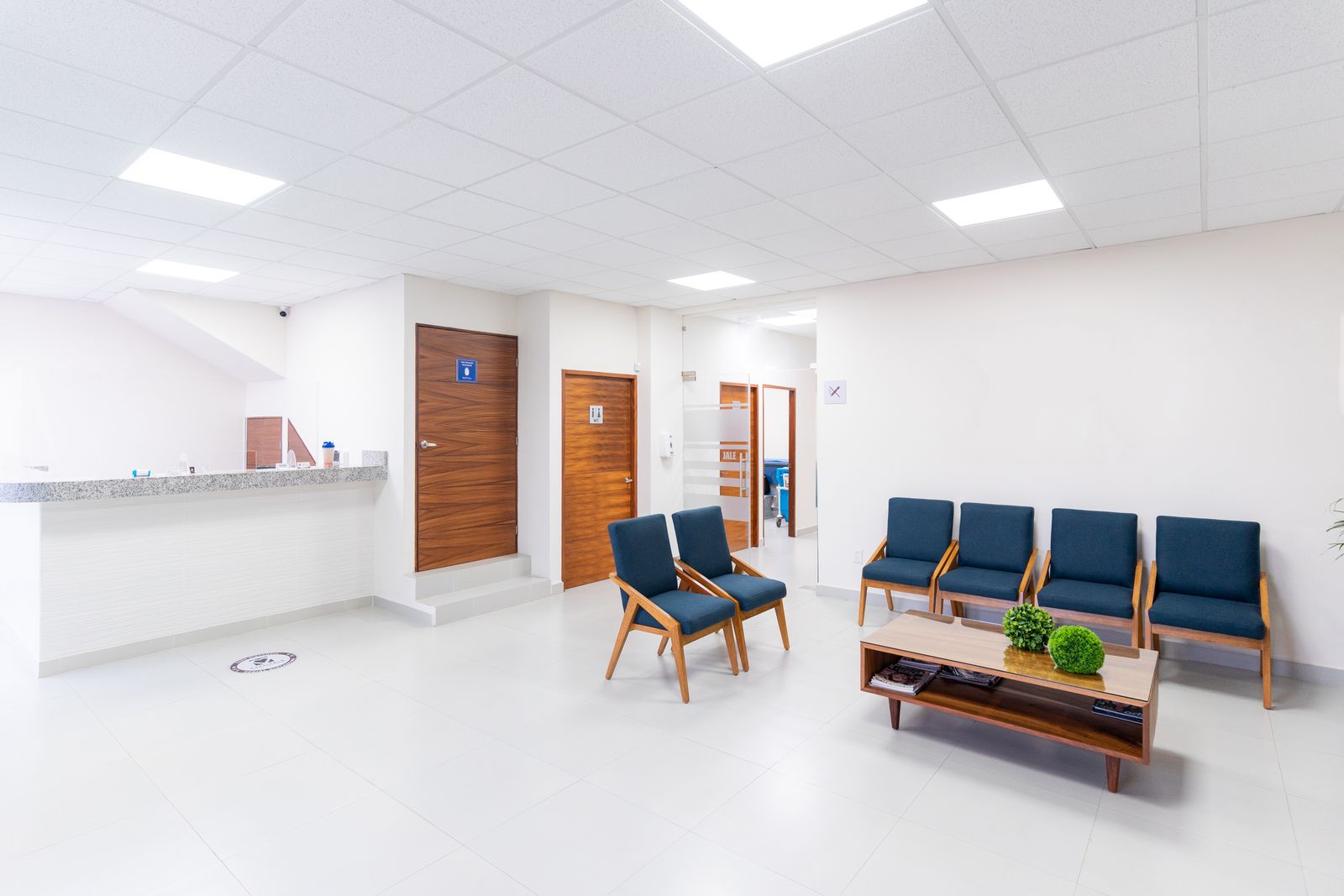
Clinics
General practice and specialist clinics. Booking that reflects rooms and clinicians, reminders that cut no-shows, and records the front desk and the practitioner see differently.
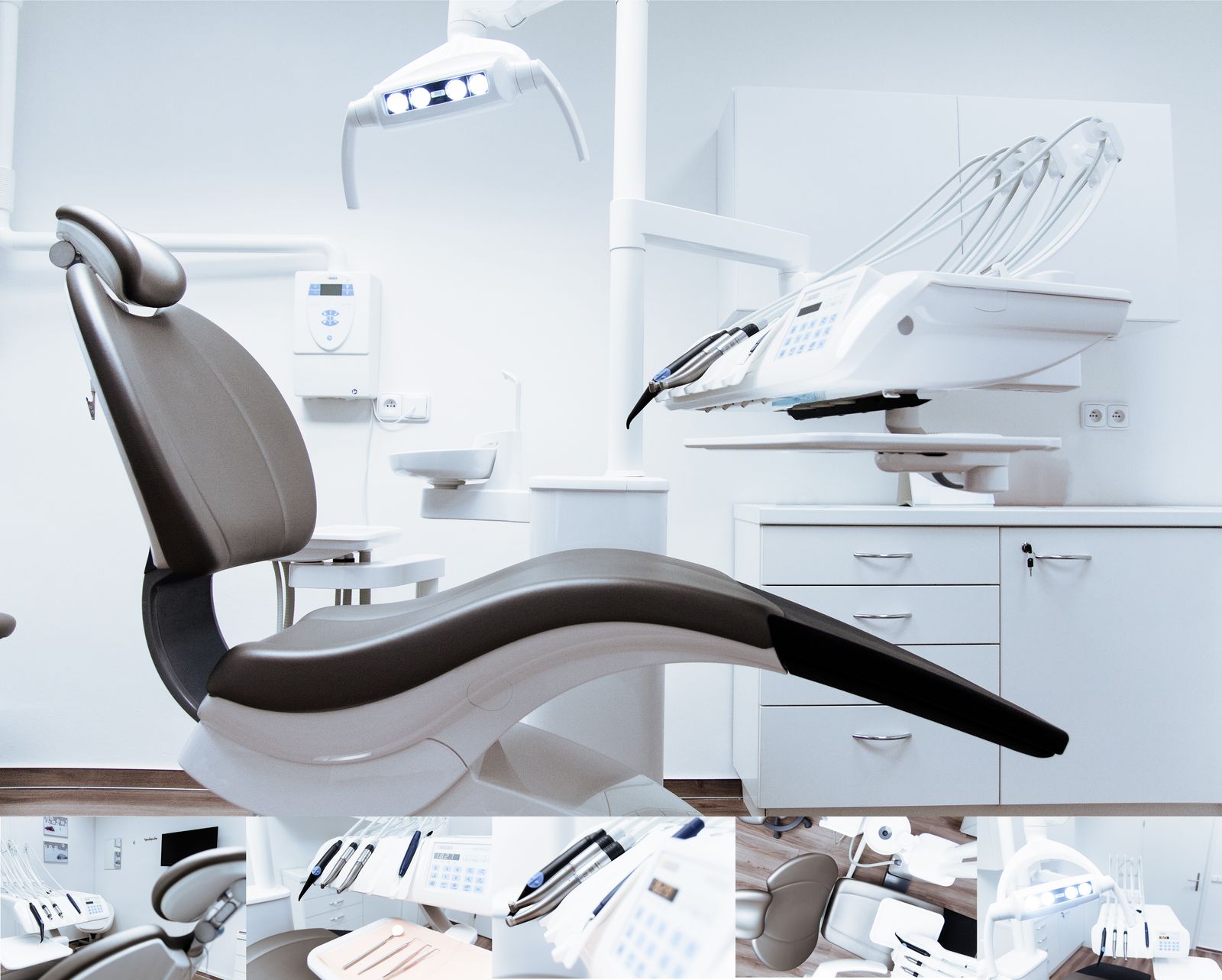
Dental clinics
Chair-based scheduling, treatment plans that run across appointments, and the imaging and payment systems the practice already pays for.
What we can do for a clinic
The four things practices ask for first, in the order they usually arrive.
Online booking and scheduling
Booking tied to real chair, room and clinician availability. A cancellation releases the slot the moment it happens and offers it to the waiting list, instead of leaving a gap nobody sees until the morning.
Records with access anyone can defend
Patient data behind role-based access, with an audit trail of who opened what and when. Retention and erasure are configured settings, not a support ticket, so a subject access request is a report rather than a project.
Reminders and patient messaging
SMS, email and push reminders on the schedule you choose, consent recorded per channel, and a one-tap way out of each. The no-show rate is the measure, and it is the first number we report on.
Integrations with what you already run
Practice management, imaging, laboratories, payments and accounting joined up, so the front desk stops entering the same appointment into three systems and the numbers stop disagreeing.
Built to the sector's rules
Clinical software is judged on two things: whether the patient got seen, and whether the record holds up afterwards. Both are decided by how the system stores and releases data, not by how it looks.
- Standards
- GDPR by default; HIPAA technical safeguards where work reaches the US
- Interoperability
- HL7 v2, FHIR, DICOM, and the CSV and SFTP feeds older systems still use
- Integrations
- Practice management, imaging, labs, payments, accounting
- Typical first release
- Booking, reminders and records in 8–14 weeks
Solutions we build
The systems this sector asks for most. Each one ships as its own increment, so the first release is in use while the next is being built.
- Patient portals and self-service booking
- Electronic health record modules and EHR integrations
- Telemedicine: video consultation, triage and follow-up
- Clinic and practice management dashboards
- E-prescribing and medication workflows
- Imaging viewers and PACS/DICOM integrations
- Insurance, claims and payment flows
- AI assistance: intake questionnaires, note summarisation, scheduling
What we build here
All servicesAdvertising
Paid acquisition, campaign build, tracking
Artificial Intelligence
LLM assistants, document AI, scoring and forecasting
Custom Development
Portals, internal tools, workflow systems, integrations
Mobile Development
Mobile development service page
SEO
Technical audit, architecture, content plan, reporting
Video Production
Explainers, product films, campaign cuts, subtitles
Questions this sector asks
Usually. Most have an API or an export; where there is neither we build against the database or the file drop it does have. At discovery we say which of the three it is, before anyone quotes the integration.
You are the controller, we are a processor, under a written agreement that says so. We hold the minimum needed to run and support the system, in the EU, and retention is configured rather than assumed.
We build the scheduling and the templates. The messages go out through a provider whose account you hold, so the sender is you and the numbers stay yours if you ever move.
GDPR is the default because most of our work is European. Where a project touches US patients we build to HIPAA's technical safeguards as well: access control, audit, integrity, transmission security. We do not sell a certificate; we build what the controls require and document it.
Yes, and it is planned as its own increment. We map the old structure to the new one, rehearse the migration against a copy, and agree a cutover with a way back. What we do not do is migrate silently: you see a reconciliation of counts before and after.
Lifetime warranty and support on what we built, and a written update every week while anything is still in flight. Most practices then continue with a smaller increment cadence, which keeps the people who know the system available without keeping a full team on it.
What would this cost?
Four questions and you have a budget and timeline range. It is a range because the width is the honest measure of what is still unknown.
Which practice fits the work?
Pick the closest one — the estimate adjusts as you add scope.
Choose one
Which practice fits the work?
Order a free consultation
What happens next: