Logistics software development
Orders, routes, warehouses and proof of delivery, connected to the carriers and customers on both ends. Built so a shipment has one status, everyone sees the same one, and an exception is visible while it can still be fixed.
Who this is for
Operations where goods move and information has to move faster.
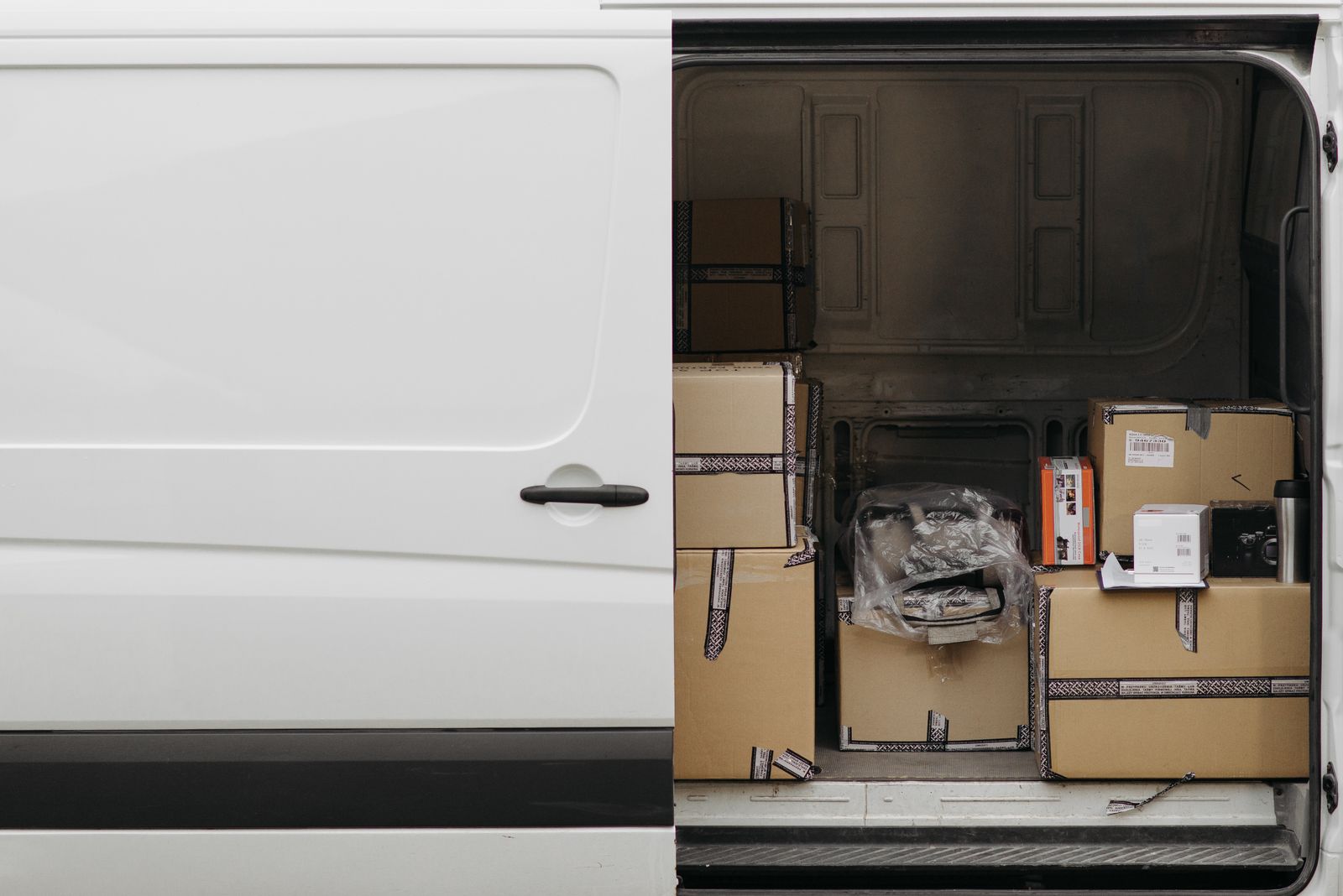
Delivery and last mile
Route planning, driver apps, live tracking and proof of delivery, with the customer notified at the point they would otherwise call to ask.
Freight forwarders
Bookings, documents and carrier rates across modes, with milestone tracking per shipment and a customer portal that answers the status question directly.
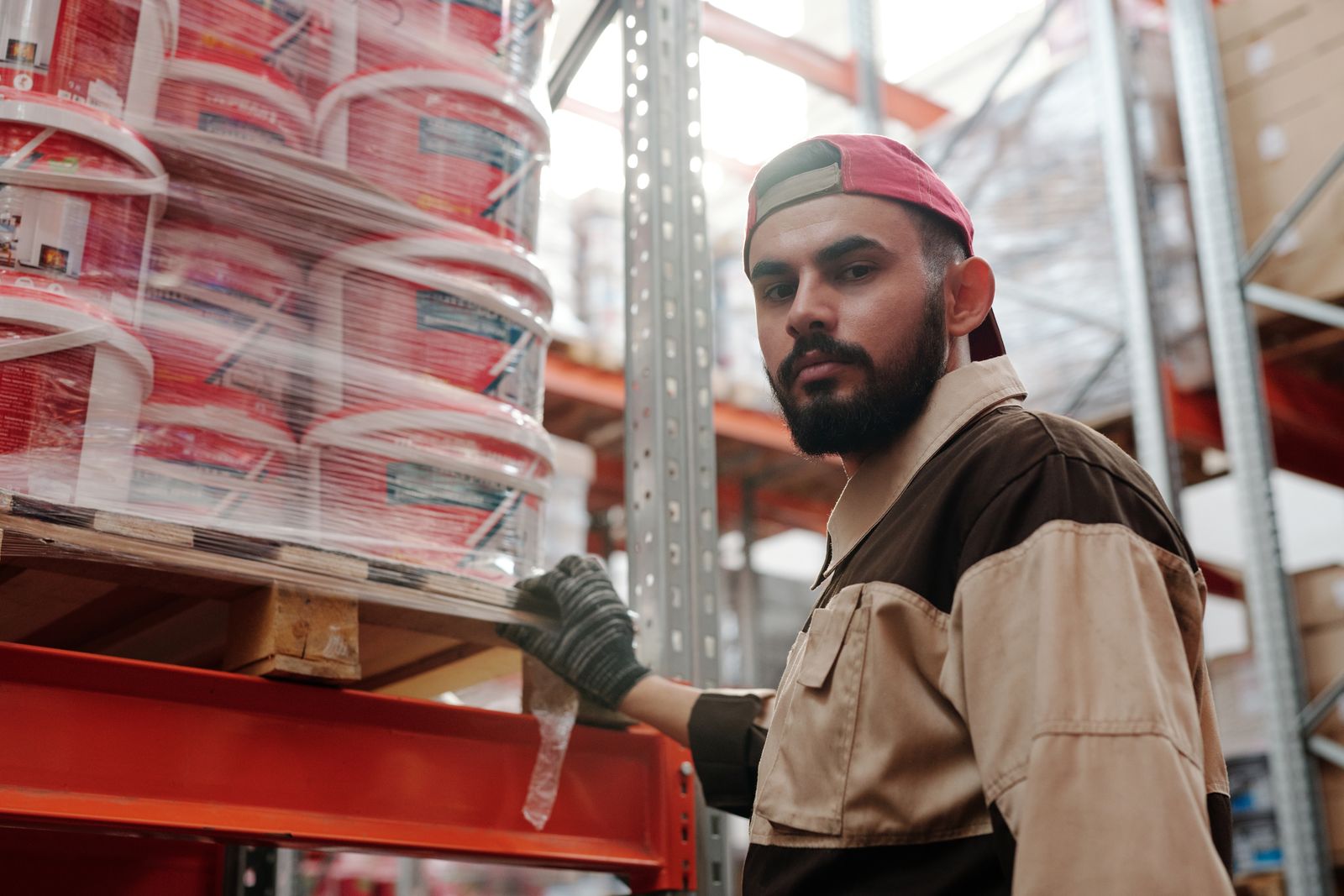
Warehousing and 3PL
Inbound, put-away, picking and dispatch with scanning, plus per-client stock views and billing based on what was actually stored and handled.
What we can do across the chain
Four things that decide whether an exception costs a phone call or a customer.
One status per shipment
Every event — booked, collected, scanned, delayed, delivered — written to one timeline that the portal, the driver app and the customer notification all read. Two systems with two statuses is the root of most complaints here.
Routing and dispatch
Routes built from real constraints: vehicle, capacity, time window, driver hours. Re-planned when a job is added mid-morning, instead of held together by whoever knows the area.
Driver apps and proof of delivery
Navigation, scanning, signature and photograph capture that works offline and syncs when signal returns. A proof of delivery you can produce in seconds is the end of most disputes.
Carrier, warehouse and customer integrations
EDI and API links to carriers, warehouse systems and customer ERPs, so a booking arrives as data rather than a spreadsheet attached to an email.
The expensive failures are informational
Goods usually arrive. What costs money is nobody knowing where they are: a status that lags reality, an exception seen at the end of the day, a proof of delivery that takes a week to find. Those are all software problems.
- Integrations
- Carrier APIs and EDI, warehouse systems, customer ERPs, telematics
- Offline
- Driver apps capture and sync without a connection
- Data
- One event timeline per shipment; retained proof of delivery
- Typical first release
- Tracking, driver app and proof of delivery in 8–14 weeks
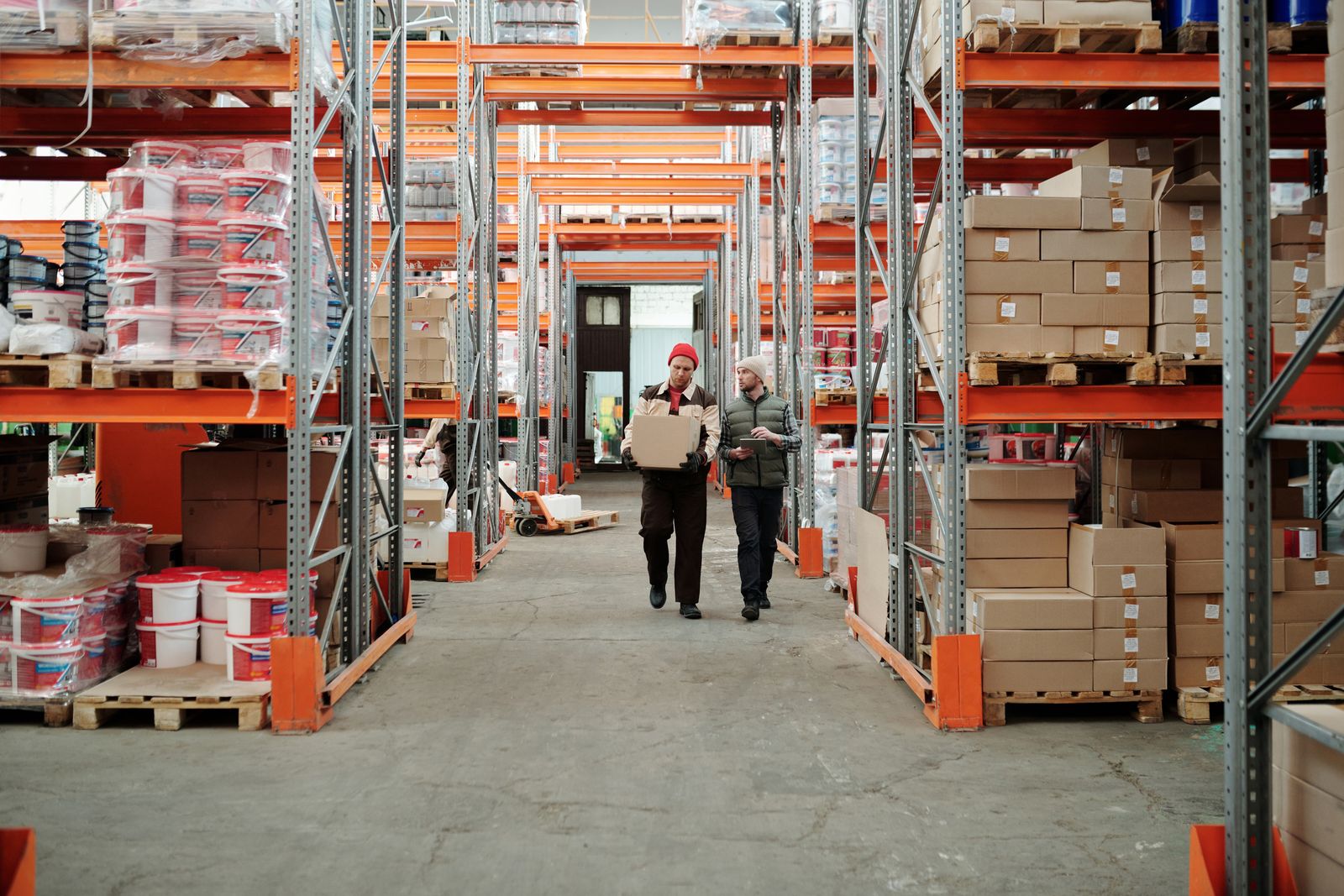
Solutions we build
The systems this sector asks for most. Each one ships as its own increment, so the first release is in use while the next is being built.
- Transport management and order intake
- Route planning, dispatch and live tracking
- Offline-capable driver apps with scanning
- Proof of delivery capture, storage and retrieval
- Warehouse operations: receiving, picking, dispatch
- Customer portals with shipment status and documents
- Carrier integrations over API and EDI
- Operational dashboards: on-time rate, exceptions, cost per drop
What we build here
All servicesAdvertising
Paid acquisition, campaign build, tracking
Artificial Intelligence
LLM assistants, document AI, scoring and forecasting
Custom Development
Portals, internal tools, workflow systems, integrations
Mobile Development
Mobile development service page
SEO
Technical audit, architecture, content plan, reporting
Video Production
Explainers, product films, campaign cuts, subtitles
Questions this sector asks
Yes. Most offer an API and many still use EDI, and both are normal work. The important part is normalising their statuses to yours, so one shipment does not have four different words for the same state.
Usually not. If it manages stock correctly, we build the visibility, portal and integrations around it. Replacement is worth considering when it cannot tell you where something is without someone walking to look.
As accurate as the source: telematics gives near-live position, driver-phone GPS gives good position while the app is open, and scan events give exact facts at fixed points. We say which the estimate is based on rather than showing a moving dot that implies more than it knows.
Yes, and it pays for itself quickly. A portal with status, documents and proof of delivery removes the largest category of inbound calls in this sector.
Yes, and most do. The app is built for a mixed fleet of devices and poor signal. Where you need control over what else is on the device, that is a mobile device management decision rather than an app one, and we say which is which.
Yes, and it is the safer order. One depot for a few weeks surfaces the local practices nobody wrote down, and fixing them before the second depot is far cheaper than fixing them across all of them.
What would this cost?
Four questions and you have a budget and timeline range. It is a range because the width is the honest measure of what is still unknown.
Which practice fits the work?
Pick the closest one — the estimate adjusts as you add scope.
Choose one
Which practice fits the work?
Order a free consultation
What happens next: