Field service software development
Scheduling, dispatch, job sheets, parts and invoicing for HVAC and field teams. Built for the van and the roof as well as the office: engineers work offline, the schedule survives a cancellation, and the paperwork closes on site.
Who this is for
Businesses whose revenue is an engineer arriving at an address with the right part.
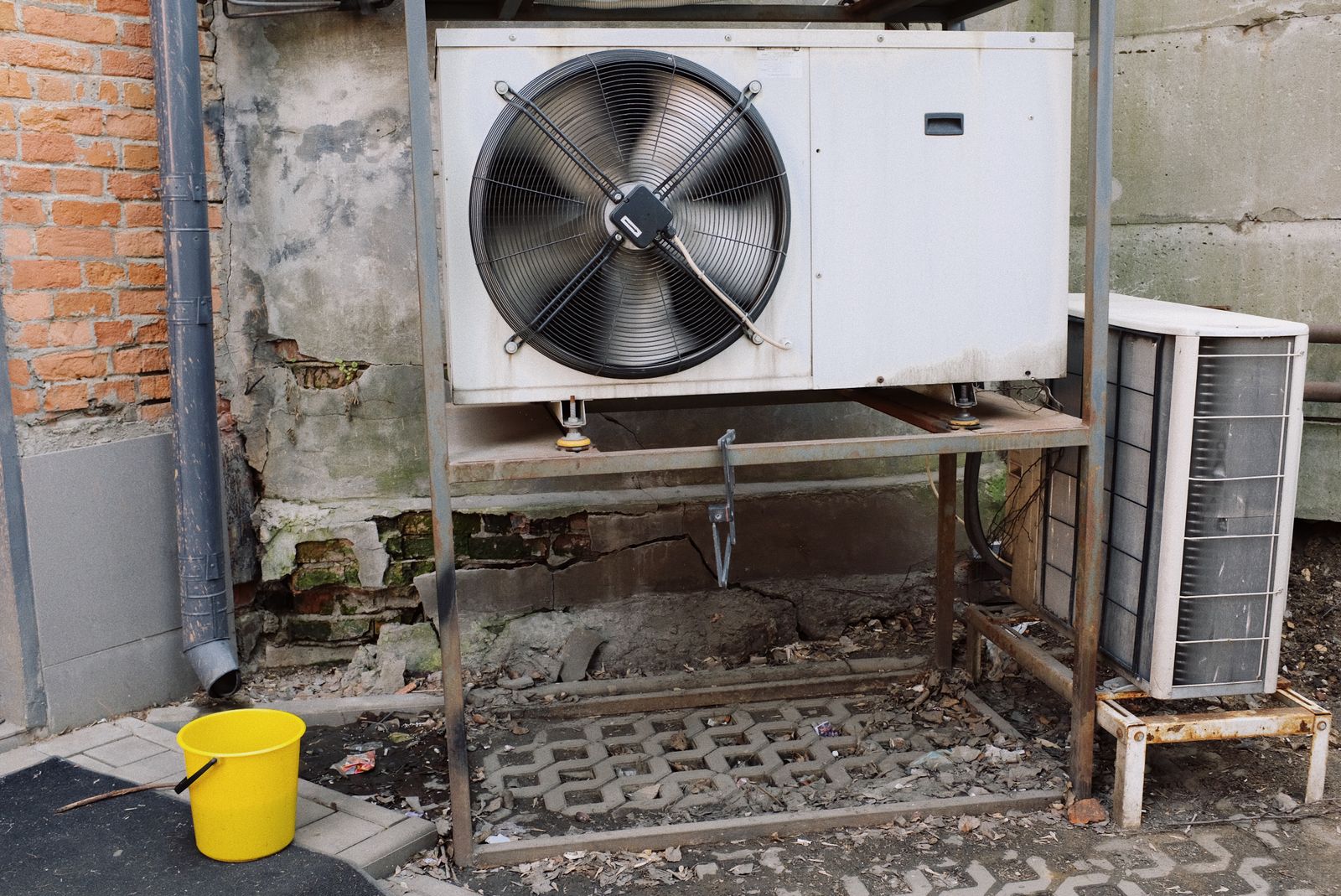
HVAC contractors
Installation, service and repair across a region. Dispatch that accounts for skills and travel, job sheets completed on site, and maintenance contracts that schedule themselves.

Plumbing and electrical
Reactive call-outs and planned work in the same week. Priority jobs that reorder the day without stranding the rest of it, and certificates issued before the van leaves.

Facilities maintenance
Multi-site contracts with SLAs. Assets tracked per site, response times measured against what was signed, and client reporting produced without assembling it by hand.
What we can do for a field team
Four things that decide whether a day of work is profitable.
Scheduling and dispatch
A board that accounts for skills, certifications, parts and travel, and that reorders around an emergency without stranding the rest of the day. The gap between two jobs is the margin.
A mobile app that works with no signal
Job details, checklists, photographs and signatures captured in a plant room with no bars, and synchronised when there is. An engineer typing it into a phone later is an engineer inventing half of it.
Parts, stock and vans
What is on each van, what is at the depot, and what a job consumed — recorded when it is used. A second visit for a part is the most expensive avoidable event in this business.
Quotes, invoices and contracts
Quote from the job sheet, invoice from the completed work, and recurring maintenance visits generated from the contract. Same-day invoicing is a cash-flow change, not an admin one.
Built for the van, not the desk
Field software fails in places nobody demonstrates it: a plant room with no signal, a job that overruns, a part that was not on the van. We design for those first, because the office cases work anyway.
- Offline
- Full offline capture with conflict-safe sync when signal returns
- Integrations
- Accounting, payments, routing and mapping, supplier catalogues
- Platforms
- Engineer app for iOS and Android, dispatch board, customer portal
- Typical first release
- Dispatch, job sheets and invoicing in 8–12 weeks
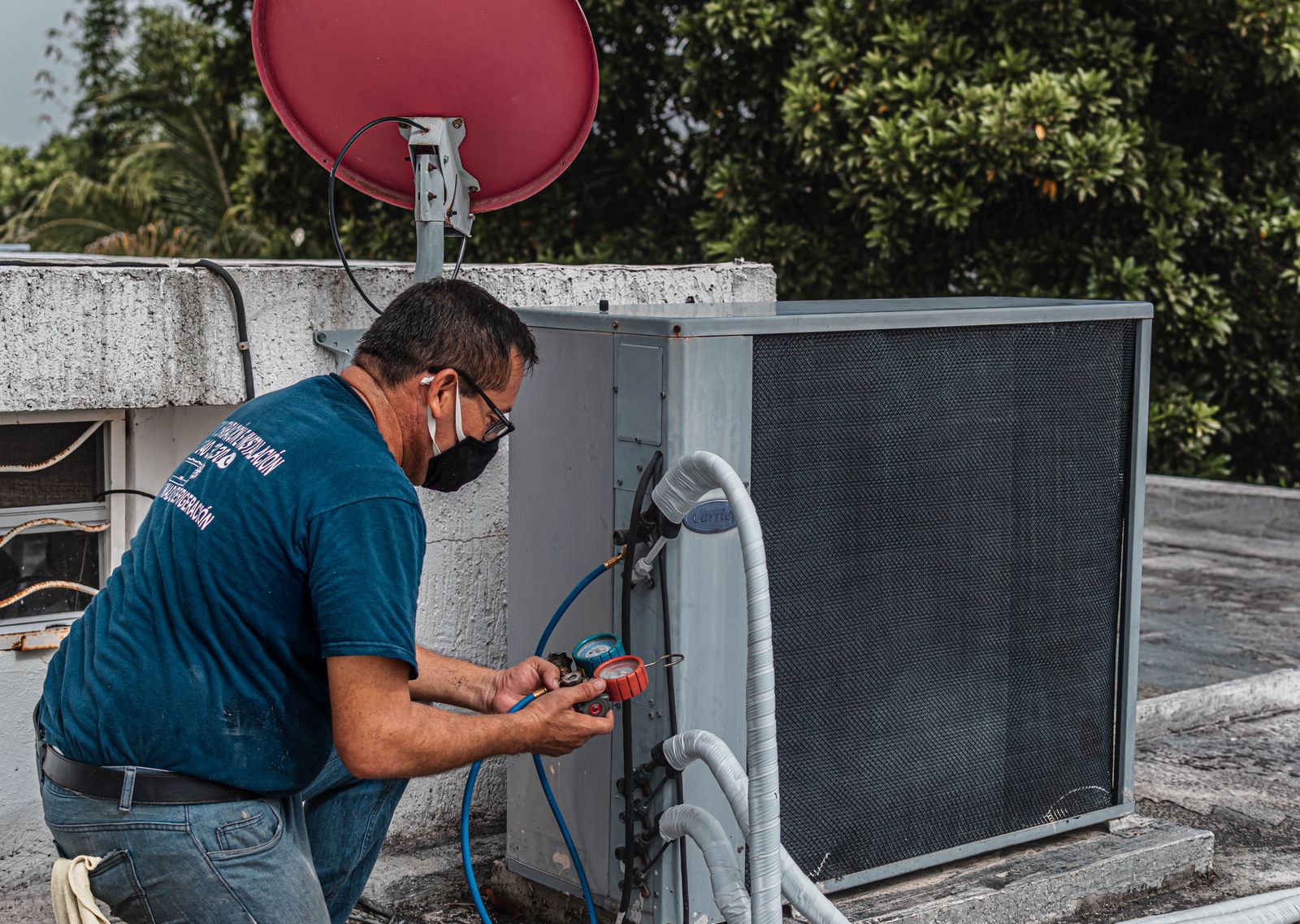
Solutions we build
The systems this sector asks for most. Each one ships as its own increment, so the first release is in use while the next is being built.
- Dispatch boards and route optimisation
- Offline-first engineer apps for iOS and Android
- Digital job sheets, checklists and certificates
- Asset registers and planned maintenance schedules
- Parts, van stock and supplier ordering
- Quoting, invoicing and payment on site
- Customer booking and status portals
- SLA tracking and contract reporting
What we build here
All servicesAdvertising
Paid acquisition, campaign build, tracking
Artificial Intelligence
LLM assistants, document AI, scoring and forecasting
Custom Development
Portals, internal tools, workflow systems, integrations
Mobile Development
Mobile development service page
SEO
Technical audit, architecture, content plan, reporting
Video Production
Explainers, product films, campaign cuts, subtitles
Questions this sector asks
Only if the app is faster than the paper it replaces, which means fewer taps per job and nothing typed twice. We test that with your engineers during the build, not after it, and the first release is deliberately small enough that they can learn it in a morning.
Yes — Xero, QuickBooks, Sage and most others have APIs. Jobs become invoices without rekeying, which is usually where a week of office time goes.
Everything continues. The app holds the day's jobs locally, captures photographs and signatures offline, and syncs when signal returns with conflicts resolved rather than overwritten. This is a design decision made at the start, not a feature added later.
Yes. A booking form tied to real availability, an appointment window, and a status page cuts the calls asking where the engineer is — which is the single largest category of inbound call in this sector.
That is the sensible way to do it. One crew for two or three weeks tells you what the app gets wrong in real conditions, and fixing it then is far cheaper than fixing it across forty engineers who have already decided it is not worth using.
We agree that before launch rather than after. Lifetime warranty and support covers what we built; for a business whose day starts at six, we also agree response times and a named route in writing.
What would this cost?
Four questions and you have a budget and timeline range. It is a range because the width is the honest measure of what is still unknown.
Which practice fits the work?
Pick the closest one — the estimate adjusts as you add scope.
Choose one
Which practice fits the work?
Order a free consultation
What happens next: